The bitter truth of growing tropical plants
Growing aroids like in their natural habitat is possible — but at a cost
Thats the first conclusion after almost two years of struglling growing some of a bit more demanding tropical plants indoors, in the environemnt which differs significantly from their habitat. But … as always there are some issues which can be overcome if you really want and have enough resources and sometimes can sacrifice your comfort. More about that later.
Tropical plants love light — much more than you think
It feels obvious to me now, but at the beginning of my journey I believed the common labels on plants in grocery stores — especially the idea that direct sunlight should always be avoided for plants like Monstera deliciosa. At one point, I even convinced myself that my small, triple-glazed, south-facing window provided too much light for my 13 m² room. I limited my plant choices to succulents and cacti. After killing a few monsteras, I realized I couldn’t have been more wrong. Yes — the windowsill gets a decent amount of light. But even there, it’s still far less than outdoors — roughly 2–3× lower according to my light meter. And the deeper you go into the room, the worse it gets. This is explained by the inverse square law — when you double the distance from a light source, the light intensity drops four times. I also have corners on both sides of my window. Initially, I thought they would be perfect for plants that “don’t like direct sun.” Again — wrong. A simple lux meter tells the bitter truth: those spots might be enough for a ZZ plant or a snake plant to survive, but don’t expect meaningful growth there.
Grow lights help — but they introduce new problems
Yes, grow lights are a solution. Modern LED lights are relatively energy-efficient and won’t drastically increase your electricity bill — at least not at a small scale. But there are trade-offs. The inverse square law still applies. A single 10–15W bulb is usually not enough for medium-sized tropical plants — especially since plants grow in multiple directions. Even for climbing plants, lighting only the top isn’t enough. You may end up with a plant that sheds older leaves due to lack of light. You can scale up — add more bulbs or panels — but then another issue appears: your living space starts turning into a greenhouse. More light = a brighter room, often uncomfortably bright in the evening. Also, grow lights emit a significant amount of blue light, which can negatively affect sleep and circadian rhythm. And beyond that — they simply don’t look great. A cozy room can quickly start feeling like a lab.
Low light has hidden consequences
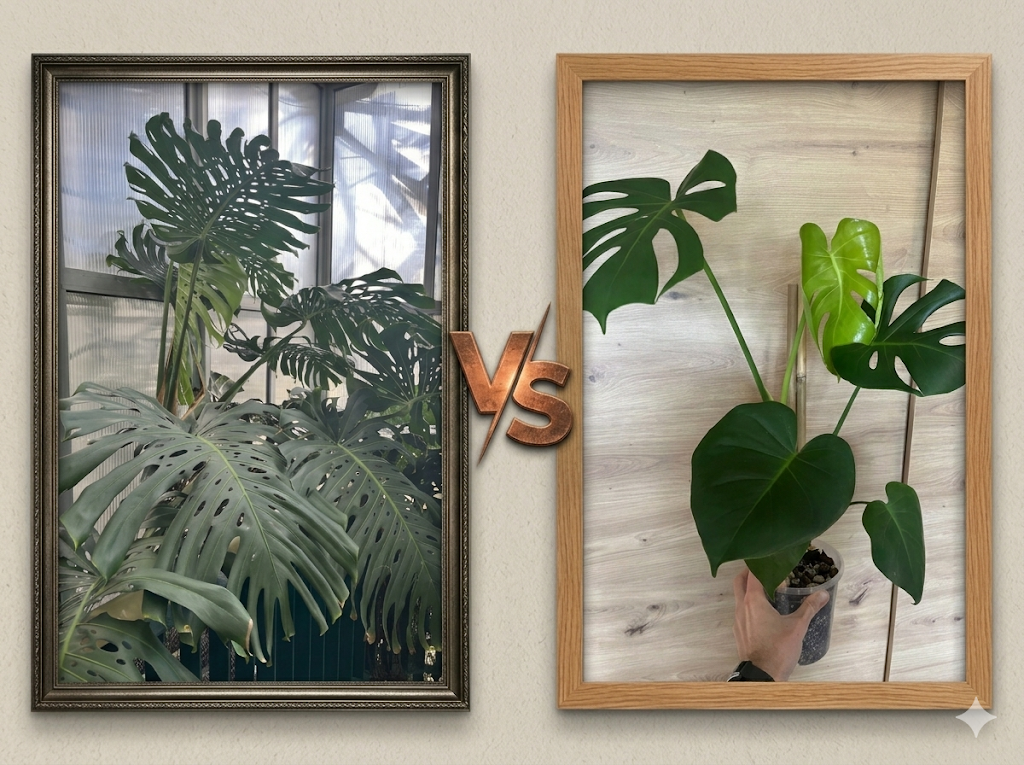
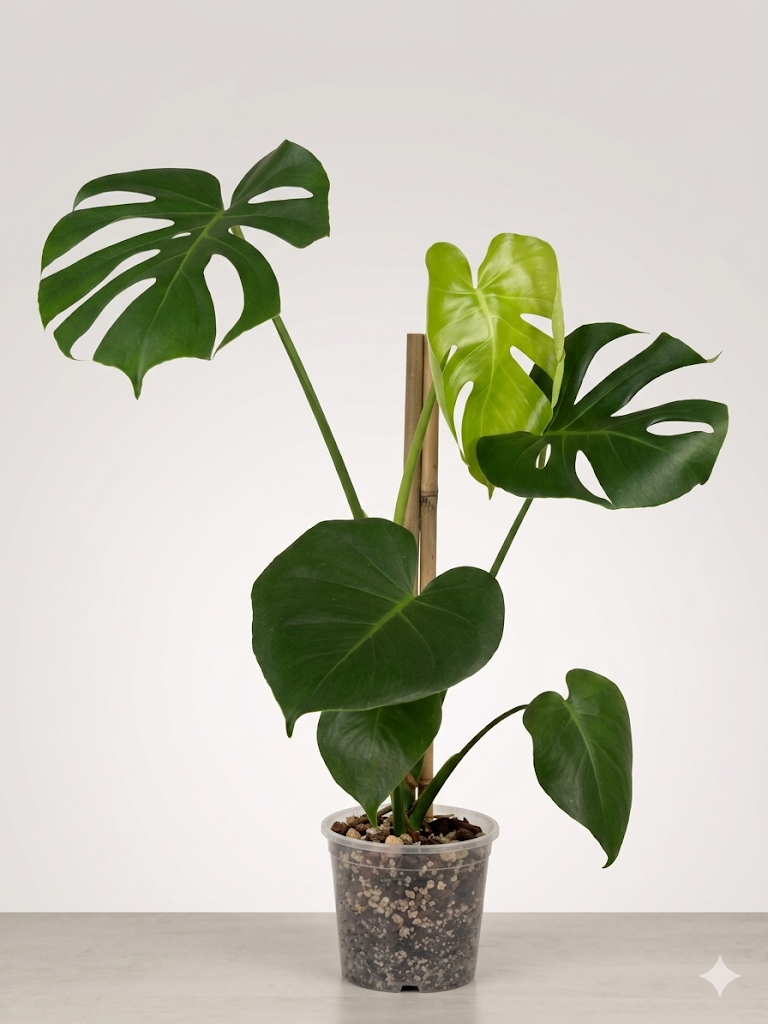
The effects of insufficient light vary depending on the plant and severity. For example, my beloved Monstera deliciosa:
- grows slower
- produces smaller, less fenestrated leaves
- becomes more prone to overwatering issues and root rot.
You can mitigate some of this:
- using an airy aroid mix
- switching to semi-hydro
- carefully controlling watering.
But this adds complexity:
- monitoring moisture levels
- managing water parameters (pH, EC, GH)
- building consistent routines.
It quickly becomes time-consuming and less enjoyable.
Tropical plants love humidity — but so do problems
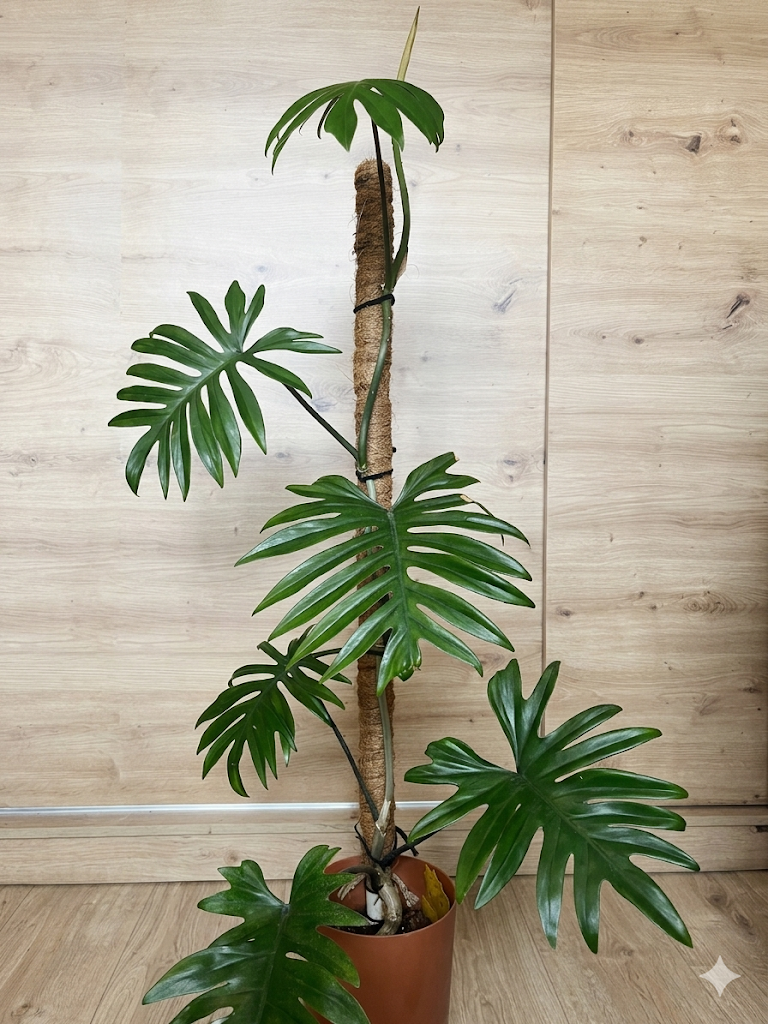
Humidity isn’t always a problem. Many aroids can adapt to ~50% RH. Some will struggle a bit, becoming more stressed and less pest-resistant. Others — like many ferns or some alocasias — may slowly decline. Spider mites, on the other hand, thrive in low humidity. From my experience, around 70% humidity creates ideal conditions for most tropical plants and makes life harder for pests. Sounds easy — just buy a humidifier, right? Not quite. For humans, the optimal range is usually around 50–60%. Higher humidity can:
- feel uncomfortable
- increase the risk of mold
- negatively affect electronics over time
If you’ve ever visited a greenhouse — especially a velvet anthurium section — you know how extreme it can get.
Stressed plants attract pests
This one is less obvious. A plant can still produce new leaves and look fine — but be under constant stress. And that makes it far more vulnerable to pests. And pests are inevitable. No matter how careful you are, sooner or later they will show up.
In suboptimal conditions:
- infestations spread faster
- damage is more severe
- recovery is harder.
Low humidity and plant crowding only make things worse.
Conclusion
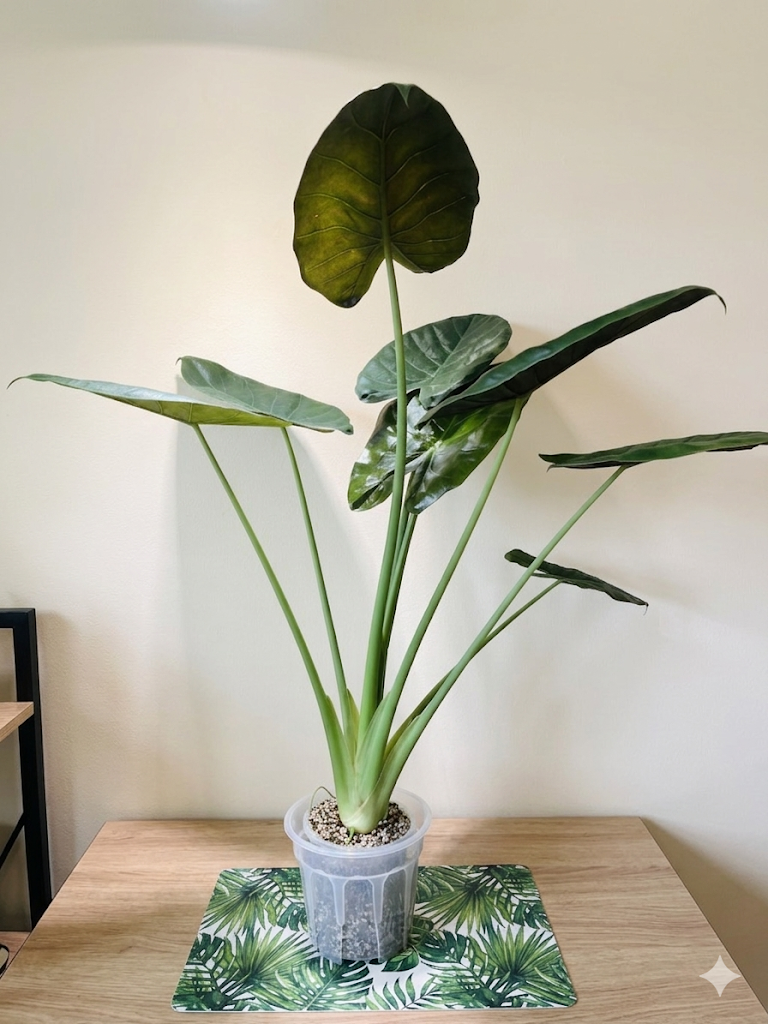
I’ve learned that I can grow beautiful alocasias:
- in semi-hydro
- under dedicated grow lights (12h/day)
- with controlled nutrients and water parameters
But every new plant of this kind means:
- another light
- another watering schedule
- more complexity
I could also grow a golden pothos with massive leaves — comparable to Monstera deliciosa — but only with intense light and a constantly moist moss pole.
And that comes with a cost:
- missing one watering can cause lasting damage
- maintenance becomes constant.
So I made a decision.
Instead of forcing every plant to thrive, I started focusing on those that naturally fit my environment. Plants like:
- Monstera minima
- Monstera adansonii
- Philodendrons (Imperial types)
- common anthuriums
They grow well without extreme effort.
My alocasias in PON are still part of my collection — and I accept the extra work, because watching them grow genuinely makes me happier.
But I no longer try to turn my home into a greenhouse.
And that, for me, made this hobby sustainable.