Surviving Houseplant Pests: What Actually Worked for Me
Surviving houseplant pests — what actually worked for me (and what didn’t)
These notes aren’t a botany handbook — they’re just my real-world experiences keeping a mixed indoor collection alive. I’ll focus on what I observed, what didn’t move the needle, and what finally improved things.
Thrips — my toughest opponent
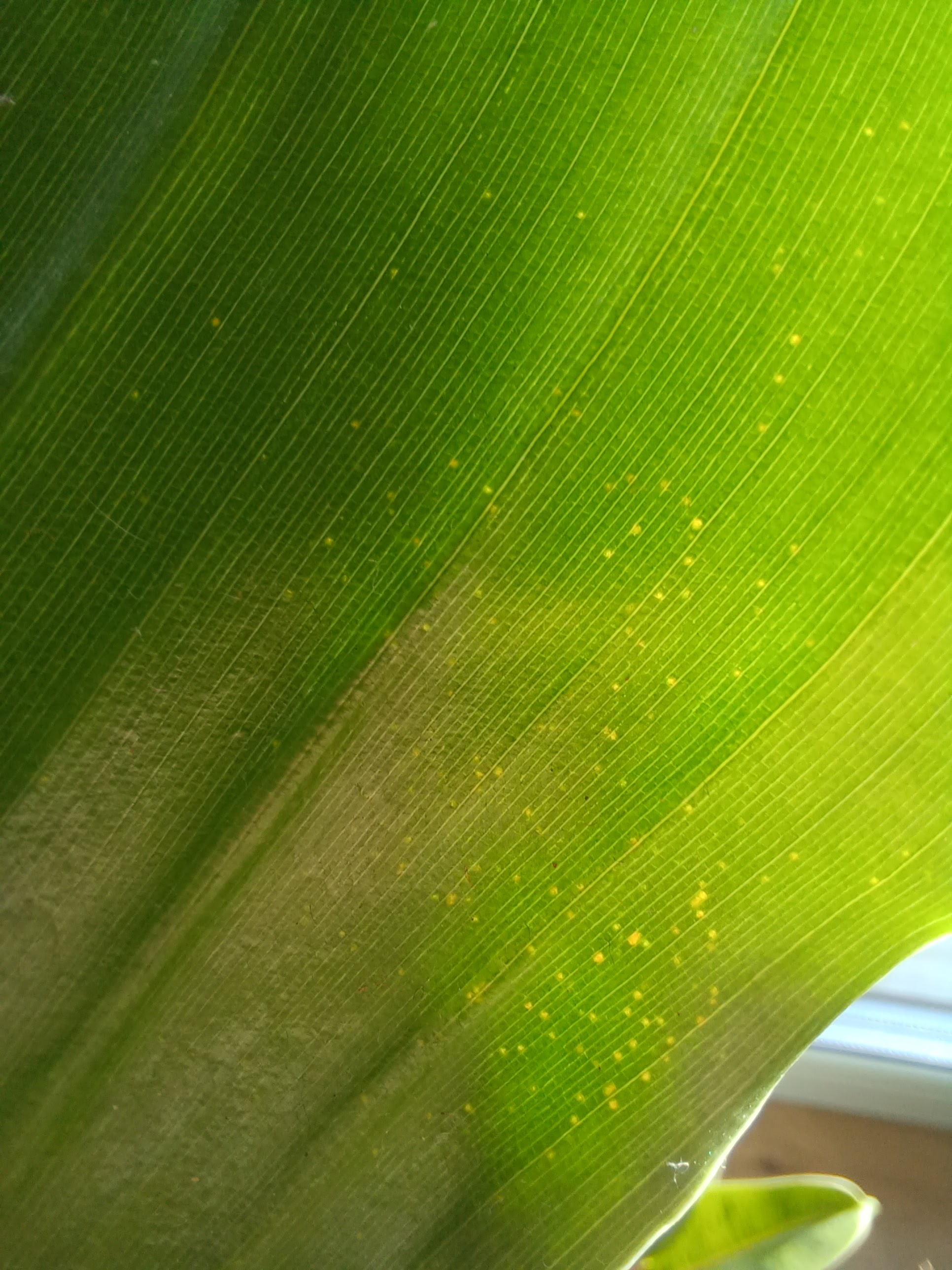
Thrips have been the most frustrating in my space. They’re tiny (often pale/yellowish when young), hide on the undersides, and love fresh, soft growth — so leaves can emerge distorted before you notice.
What didn’t help much for me:
- Horticultural soap or neem alone — seemed to knock back whatever I hit directly, but they reappeared a few days later.
- Soil sticks in very airy aroid mixes — felt slower and less reliable than foliar.
What worked better:
- Flupyradifuron as a foliar spray, repeated after a few days to catch staggered life stages. This gave me the first real break in the cycle.
- Hard pruning on plants with many tiny leaflets where full coverage is unrealistic.
Care notes:
- I repeat treatment twice a few days apart, then watch new leaves closely for early signs.
- Predatory mites look great on paper but were hard to keep going indoors without high humidity and warmth.
- I saw thrips mostly on Monstera, Strelitzia nicolai, Philodendron (‘Silver Queen’, ‘Green Princess’, ‘Imperial Green’) and pothos. I didn’t see them on succulents, ZZ, or sansevieria — still, I check them.
Spider mites — manageable with early action
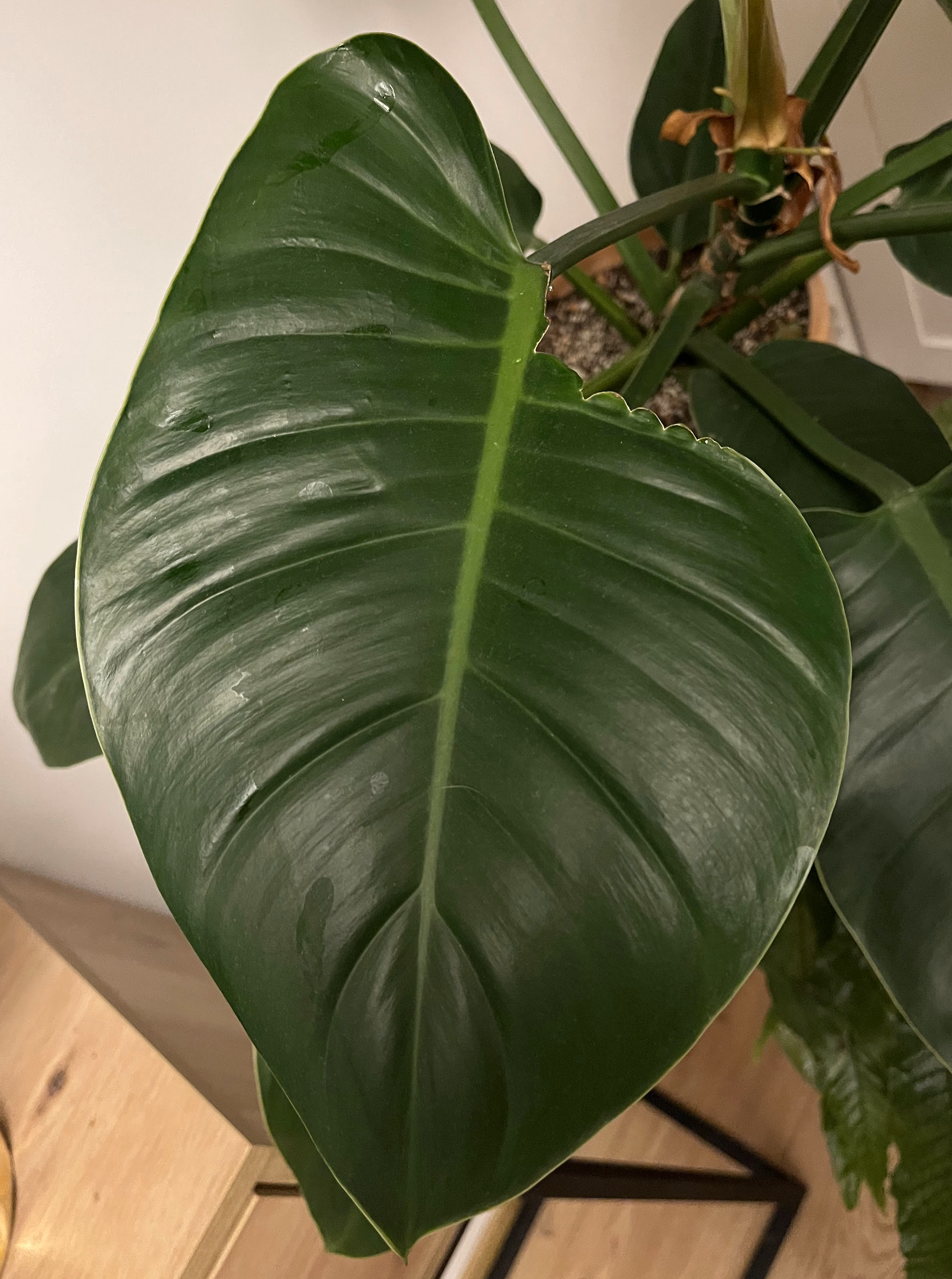
Spider mites visit my Ficus elastica fairly regularly. The good news is they haven’t caused major damage here.
What helped:
- Thorough sprays with horticultural soap or neem, focusing on undersides. Often one strong session made a big difference.
- Soft water rinses with a little soap/neem as preventive maintenance.
- Keeping ficuses grouped and slightly isolated from the rest (and avoiding “leaf bridges”) seems to slow spread.
What I’ve noticed specifically on ficuses:
- I mostly find them on the undersides of Ficus leaves, which makes early detection harder.
- Early “nests” are tiny and subtle — easy to mistake for plain dust. Looking closer, you may spot very small, fast-moving mites in different colors (including red).
- In my space, the webbing becomes obvious only once the infestation spreads; before that, it’s easier to catch movement than to see webs.
If it escalates:
- Look for stippling and fine webbing, and repeat every 3–5 days to hit new hatchlings.
Fungus gnats — annoying more than destructive
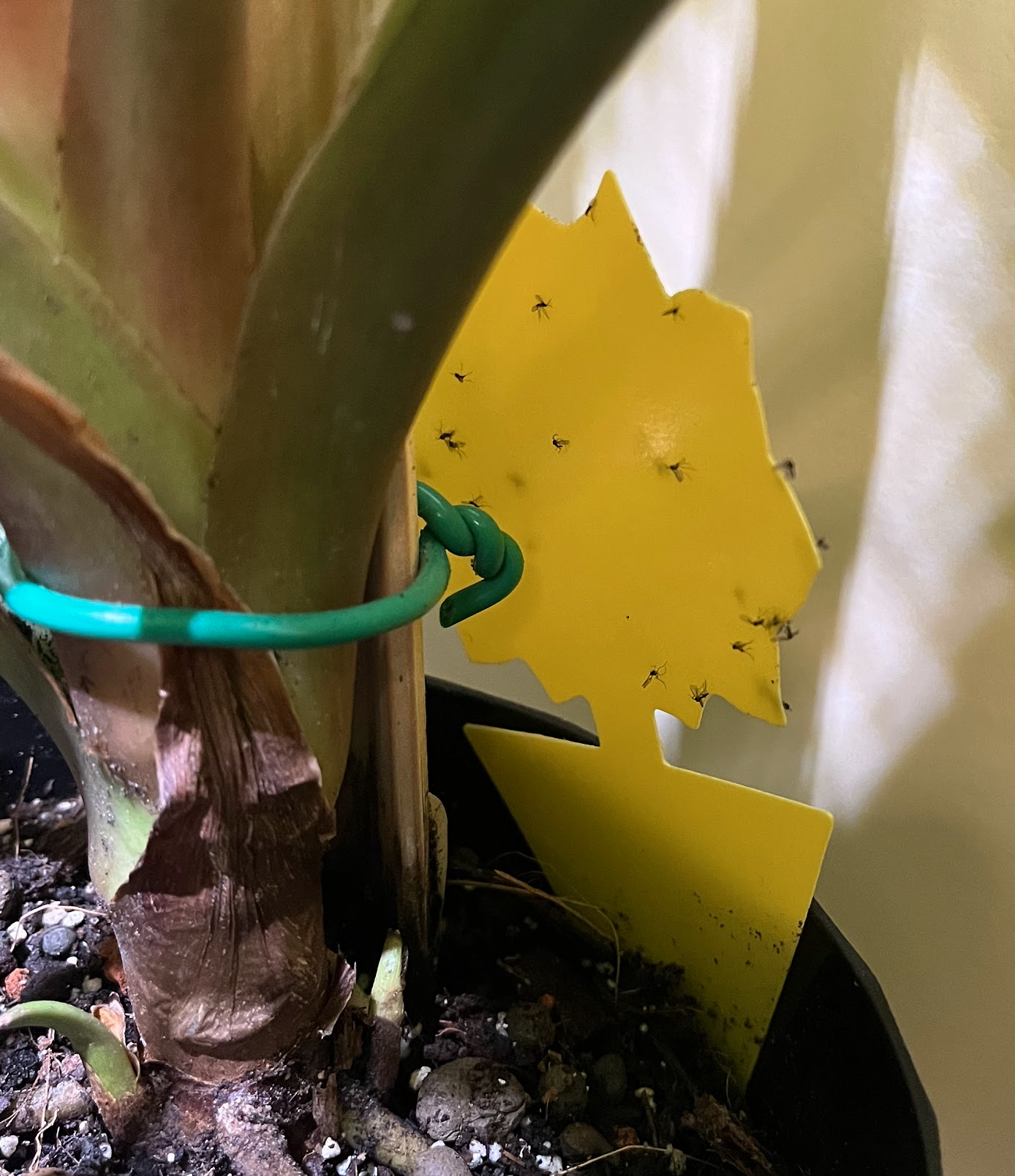
They show up regularly and love to fly into noses, mouths, and tea. In my setup they’re more annoying than harmful to established plants.
What helped most:
- Switching to bottom watering and letting the top layer dry out.
- Yellow sticky cards to track scale and grab adults.
Mixed results:
- Nematodes or Bti watering-in only helped when used correctly and repeatedly. For me, dialing in watering made a bigger difference than any additive.
Optional extra:
- A thin top-dressing of horticultural sand or diatomaceous earth can reduce adult emergence.
Aphids — easier to remove, still need attention
I probably brought aphids in with an Aglaonema. They’re rounder and slower than thrips; under a loupe they look like tiny raindrops with legs.
What worked:
- Washing leaves and spraying with neem or horticultural soap was usually enough.
- Flupyradifuron also works if you’re already using it for thrips.
Tips:
- Treat nearby plants, and give the source plant some space for a while.
- Watch for sticky honeydew and wipe it off to prevent sooty mold.
- Repeat weekly until no new nymphs appear.
Springtails — harmless background characters
I spotted springtails in saucers a few times — they coincided with overwatering. Cutting back on watering made them disappear. As far as I can tell, they’re harmless-to-helpful detritus feeders, so I don’t treat them.
💡 Final thoughts
There isn’t a whole lot to say about pests — and I wish that were true all the time. In a perfect world, you’d give your plants light, water, and a pep talk, and that’s it. In the real world, you’ll occasionally meet tiny roommates with a talent for stealth.
The good news? You don’t need a lab coat. A bit of routine (peek at new growth, keep ficuses a touch separate, bottom-water when it helps), a bottle of soap/neem, and — when thrips turn stubborn — a proper follow-up with something stronger, go a long way.
I still find the odd web, a few gnats in my tea, or a scar on a new leaf — but most plants keep pushing out growth like nothing happened.
If you’re short on patience, yellow sticky cards are wonderfully honest about whether you’re winning. And if your shelf is already full (mine always is), well… there’s always a way to shuffle things around for one more green friend. 😉
And if you’re a busy person who just wants something green and alive in your office and you’re already tired of hearing about perfect watering, lighting, and tiny bugs — pick a true low-maintenance crew: ZZ plant, sansevieria (Dracaena, formerly Sansevieria), yucca, or sturdy succulents. They tolerate rough handling, cope with lower light better than most, and don’t seem to attract the usual pests as much. Definitely avoid plants with lots of small, soft leaves — in my experience, leaf count matters more than the species name.